

Few dishes capture the comforting essence of homemade goodness quite like apple puree. Smooth, lightly sweet, and bursting with natural flavor, this simple preparation has delighted both children and adults for generations. Whether served warm beside a roast, chilled as a dessert, or used as a natural sweetener in baking, apple puree is a versatile gem of the kitchen.
In recent years, health-conscious eaters have rediscovered the beauty of this humble recipe. Unlike processed desserts loaded with sugar and additives, homemade apple puree is pure fruit magic. It’s a gentle reminder that healthy can also mean delicious.
In this article, you’ll learn 10 essential secrets to prepare an apple puree that’s both nutritious and irresistibly flavorful. We’ll cover everything from choosing the best apple varieties to mastering the right texture, preserving it properly, and even using it creatively in both sweet and savory dishes.
So, grab your favorite apples and a bit of patience because by the end of this guide, you’ll know exactly how to make apple puree like a professional chef.
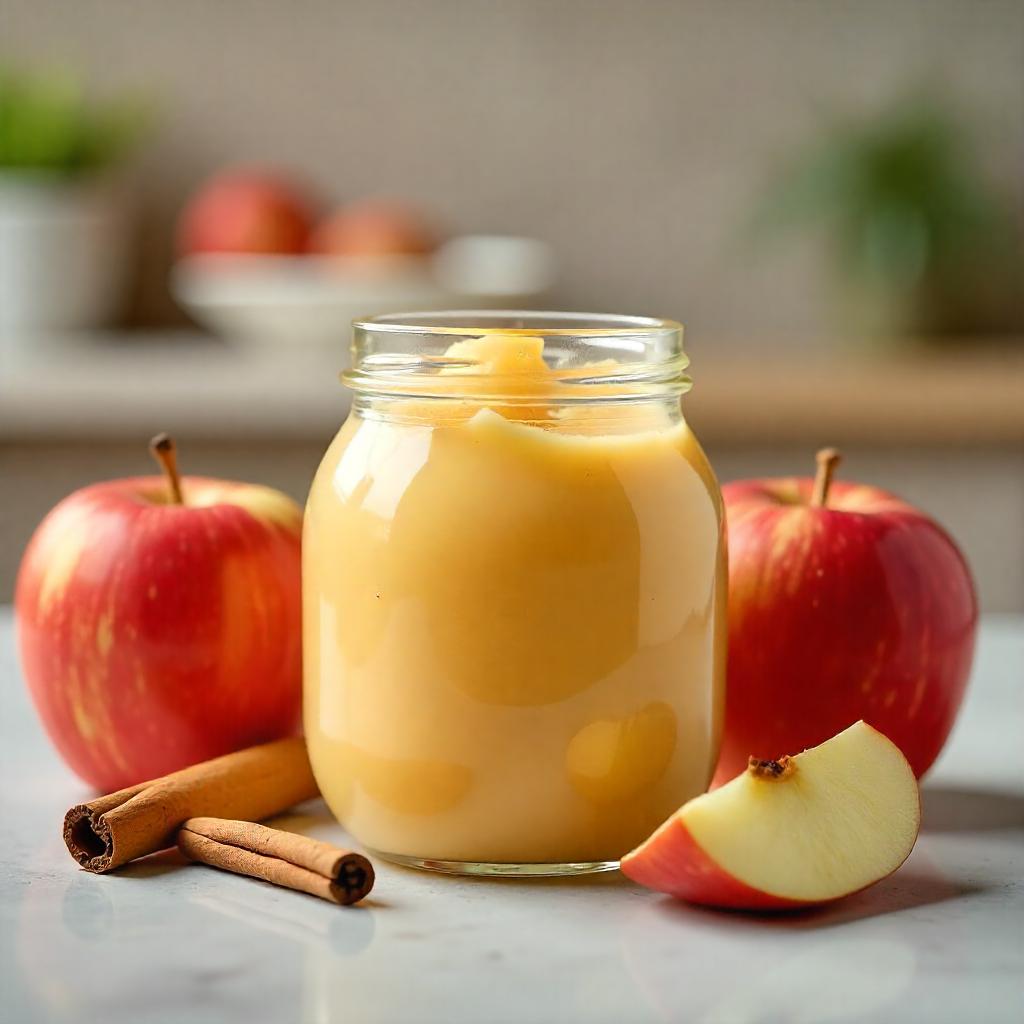
Table of Contents
What Is Apple Puree?
At its core, apple puree is simply cooked apples blended into a smooth consistency. It’s often confused with applesauce, yet there’s a subtle distinction. While both involve cooked apples, puree tends to be smoother, thicker, and less sweetened making it perfect for both desserts and savory pairings.
Historically, apple puree has deep roots in European cuisine. It was once a clever way to preserve autumn’s harvest for the colder months. Today, it remains a staple in baby food, gourmet desserts, and even as a secret ingredient in low-fat baking recipes.
To prepare a basic version, apples are peeled, cored, and simmered with a little water until tender. They’re then mashed or blended into a silky texture. Some prefer to add a touch of lemon juice to preserve color and balance sweetness, while others enhance the flavor with cinnamon, vanilla, or nutmeg.
Whether you serve it warm as a side dish or chilled as a refreshing snack, apple puree delivers a perfect balance of natural sweetness and fiber-rich nourishment.
The Nutritional Benefits of Apple Puree
Beyond its delightful taste, apple puree is a nutritional powerhouse. Each spoonful provides a healthy dose of vitamins, minerals, and antioxidants that support overall well-being.
Apples are rich in vitamin C, which helps boost the immune system, and dietary fiber, particularly pectin, which aids digestion and supports a healthy gut. Because the puree retains the apple’s natural fiber, it promotes fullness and may even help regulate blood sugar levels.
Moreover, apple puree is naturally low in calories and fat-free, making it an excellent choice for those watching their diet. It’s also gluten-free and suitable for vegans and children alike.
Another hidden advantage lies in its antioxidant content. Apples contain polyphenols plant compounds known to reduce oxidative stress, support heart health, and improve overall longevity.
If you’re preparing apple puree at home, you have full control over what goes in no added sugars, artificial flavorings, or preservatives. That’s why homemade puree stands out as one of the simplest yet healthiest foods you can make in your kitchen.
Pro tip: Leave a bit of the apple skin on when cooking for extra fiber and nutrients just make sure to wash your apples thoroughly.
For more on the health benefits of apples, see Harvard Health Publishing’s article on apples.
The Best Apple Varieties to Use
When it comes to crafting the perfect apple puree, not all apples are created equal. The variety you choose dramatically affects the taste, texture, and sweetness of the final result. Understanding the characteristics of each type of apple will help you create the puree that best suits your preferences whether you want something sweet, tart, or well-balanced.
Sweet and Mild Varieties
If you love a naturally sweet puree without adding sugar, opt for Golden Delicious, Fuji, or Gala apples.
These varieties soften quickly during cooking, resulting in a silky texture and rich, honey-like flavor. They’re ideal for desserts or for babies’ first foods because of their naturally mild taste.
Tangy and Aromatic Varieties
For a puree with a hint of tartness and a complex aroma, Granny Smith, Cox’s Orange Pippin, or Reinette apples are unbeatable.
They contain more malic acid, which balances the sweetness and adds a refreshing tang. Such apples are often preferred for culinary pairings for example, as an accompaniment to pork or poultry dishes.
Balanced Blends for Best Results
Many expert chefs recommend mixing varieties to achieve the perfect balance of flavor and texture. Combining, say, a tart Granny Smith with a sweet Golden Delicious gives your puree a more rounded taste profile.
This approach also provides a better mouthfeel neither too watery nor too thick making it ideal for both sweet and savory recipes.
Expert Tip: Always use fresh, firm apples. Avoid fruits that are bruised or mealy, as they can make your puree dull and watery.
The Essential Ingredients for a Perfect Apple Puree
Although apple puree is beautifully simple, the secret to elevating it lies in the details specifically, the few extra ingredients that complement the apples’ natural flavor.
Core Ingredients
- Apples (1 kg) – the star of the show, peeled and cored.
- Water (100–150 ml) – prevents burning and helps the apples soften evenly.
- Lemon juice (1 tablespoon) – adds freshness and preserves color.
- Optional sugar (1–2 tablespoons) – enhances sweetness, but you can skip it if using sweet apple varieties.
Flavor Enhancers
To give your puree depth and aroma, consider adding:
- Cinnamon – pairs beautifully with apples and evokes a cozy, autumnal flavor.
- Vanilla extract – gives a subtle warmth and makes your puree dessert-ready.
- Nutmeg or clove – for a more spiced, festive note.
- Butter (optional) – for a silky texture and richer taste, perfect for serving warm.
Pro Tip: If you’re making puree for babies, avoid adding sugar or spices. Keep it natural and simple.
Texture and Consistency Secrets
The key to achieving the ideal texture lies in the cooking and blending process. The more you cook the apples, the smoother the puree will become. For a chunkier version, reduce the cooking time and mash the apples instead of blending them.
You can also control consistency by adjusting the amount of water:
- Less water = thicker puree
- More water = lighter, smoother puree
This flexibility makes apple puree adaptable to any meal from an elegant side dish to a comforting dessert.
Why Quality Ingredients Matter
Using high-quality, organic apples and fresh lemon juice makes a world of difference. Since the recipe is so simple, each ingredient stands out. Fresh, ripe apples yield a vibrant golden color and a natural sweetness that’s impossible to replicate with store-bought purees.
Avoid bottled lemon juice or synthetic vanilla essence they can alter the natural balance of flavors. When you invest in good ingredients, your apple puree won’t just taste better; it’ll also retain more nutrients and aroma.
Step-by-Step Preparation of Apple Puree
Making apple puree from scratch is incredibly easy and rewarding. Whether you want a silky-smooth dessert or a rustic side dish, mastering each step ensures the perfect balance of taste, aroma, and texture. Here’s a foolproof process to guide you from start to finish.
Choose and Prepare the Apples
Begin by selecting about 1 kilogram of fresh apples. Peel them, remove the cores, and cut them into small, even-sized pieces. Uniform pieces cook evenly, which helps prevent lumps later.
If you prefer a more rustic puree, you can leave some of the skin on for added fiber and color. Just make sure to wash the apples thoroughly before cutting.
Tip: Sprinkle a little lemon juice on the sliced apples to stop them from turning brown while you prepare the rest.
Cook the Apples
Place the apple pieces in a large saucepan or pot. Add a small amount of water (around 100–150 ml) to prevent sticking. Cover with a lid and cook over medium heat for about 15 to 20 minutes, stirring occasionally.
When the apples turn soft and start breaking apart easily with a spoon, they’re ready for the next step. Don’t rush this process slow cooking helps preserve flavor and aroma.
For extra flavor, you can add a stick of cinnamon, a slice of lemon peel, or a drop of vanilla extract during cooking.
Remove Excess Liquid
Once cooked, remove the apples from the heat. Drain any excess liquid if it’s too watery, but don’t discard it yet you may want to add a little back during blending to adjust the consistency later.
Blend or Mash
Transfer the cooked apples into a blender, food processor, or use a hand masher. Blend until smooth for a classic puree, or pulse gently if you prefer a chunky texture. If the puree seems too thick, add a tablespoon or two of the reserved liquid until you reach your desired consistency.
Pro Tip: For an ultra-smooth texture, strain the puree through a fine mesh sieve after blending.
Steam or Water Cooking Which Is Best?
Both methods have their fans, but each offers different results depending on your goals.
Cooking with Water
Cooking apples in water is quick and simple. It helps soften the fruit faster, and it’s ideal when you plan to mash or blend the apples later. However, some nutrients especially vitamin C can leach into the water during boiling.
If you choose this method, avoid using too much water. Just enough to prevent burning is perfect.
Steaming Apples
Steaming is the gentler and healthier option. It preserves the apples’ natural flavor, color, and nutrients far better than boiling. The apples also retain more structure, which means your puree will taste fresher and less diluted.
To steam, place the chopped apples in a steamer basket over simmering water for about 15 minutes, or until soft. Then blend as usual.
Expert Recommendation: For baby food or health-conscious cooking, steaming is the superior method. For quick desserts, boiling works just fine.
Blending and Achieving the Ideal Texture
The texture of your apple puree can transform it from a basic side dish into a gourmet delight. Here’s how to master it.
Smooth and Silky Puree
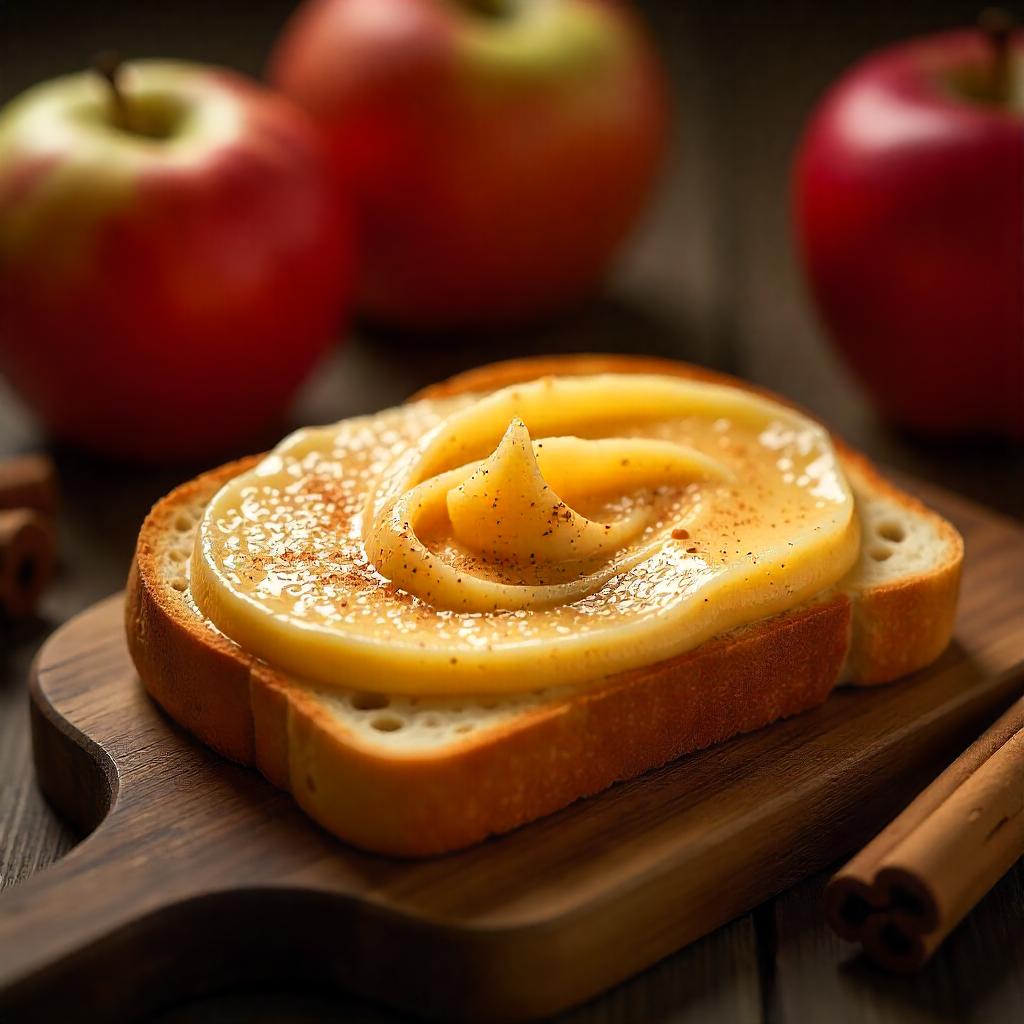
For a velvety finish, use a high-speed blender or food processor. Blend for 1–2 minutes until completely smooth. This texture works wonderfully for desserts, baby food, or as a natural sweetener in baking recipes.
Chunky and Rustic Puree
If you want a puree with some bite perfect for serving alongside roasted meats or pancakes use a fork or potato masher instead. Leave small apple chunks for a more homemade, artisanal touch.
Adjusting the Consistency
You control the final consistency:
- Add a little of the reserved cooking liquid or apple juice to loosen a thick puree.
- For a thicker texture, simmer the blended puree for an additional 5 minutes to let it reduce.
Finish by tasting the puree. Add a pinch of cinnamon, a drop of vanilla, or a dab of butter if desired. The key is to adjust the flavors while the puree is still warm.
For Bread recipe see Protein Bread article
Tips to Enhance the Flavor of Your Apple Puree
One of the joys of homemade apple puree is its versatility you can easily customize it to match your mood, season, or the dish you’re pairing it with. While apples alone are delicious, a few clever additions can turn a simple puree into something extraordinary.
Here are some tried-and-true tips to elevate both the taste and aroma of your puree.
Add a Touch of Warm Spices
Warm spices are apple puree’s best friends. The most popular include:
- Cinnamon: The classic choice it enhances sweetness and gives a cozy autumn feel.
- Nutmeg: Adds depth and a hint of warmth without overpowering the apple flavor.
- Clove or Allspice: Use sparingly for a bold, festive aroma, perfect during the holidays.
If you love a cozy, pie-like flavor, try a spice blend by combining ½ teaspoon of cinnamon with a pinch of nutmeg and clove.
Sweeteners and Natural Enhancers
Although apples are naturally sweet, a touch of natural sweetener can intensify their flavor, especially if you’re using tart varieties. Try one of these:
- Honey: Adds floral sweetness and a smooth finish.
- Maple syrup: Provides a rich, caramel-like flavor that pairs beautifully with apples.
- Brown sugar: Deepens the color and brings a toffee undertone.
Tip: Add your sweetener after cooking to preserve its flavor and aroma.
Brighten It Up with Citrus
A splash of lemon or orange juice can completely transform your apple puree. It enhances freshness, balances sweetness, and prevents oxidation. For an extra kick, grate a bit of citrus zest into the puree right before serving.
This small detail makes a huge difference, especially when serving the puree as a topping for yogurt, pancakes, or oatmeal.
Infuse with Herbs and Aromatics
For a gourmet twist, experiment with fresh herbs or subtle flavor infusions.
- Vanilla bean: Gives a smooth, dessert-like flavor.
- Fresh mint: Adds a cool, refreshing aroma perfect for summer.
- Rosemary or thyme: Excellent for savory applications, such as pairing with roast pork or duck.
Steep these ingredients in the cooking water, then remove before blending to leave behind a delicate aroma without overpowering the apples.
Add a Creamy Touch
For a decadent twist, stir in a spoonful of unsalted butter, cream, or even Greek yogurt once the puree has cooled slightly. This makes the texture luxuriously smooth and gives the flavor extra depth.
If you’re serving it as a dessert, you can even swirl in some caramel or top it with granola for a delightful crunch.
How to Store Homemade Apple Puree Safely
Once your apple puree is ready, you’ll want to store it properly so you can enjoy it for days—or even months to come. Here’s how to do it the right way.
Short-Term Storage (Refrigeration)
If you plan to consume your apple puree within a week, store it in an airtight glass jar or container in the refrigerator.
Let it cool to room temperature first, then seal it tightly to prevent condensation. Properly stored, it will stay fresh for up to 7 days.
Tip: Always use a clean, dry spoon to scoop out portions this prevents bacteria from forming.
Long-Term Storage (Freezing)
For longer preservation, freezing is the most effective method.
Spoon the cooled puree into ice cube trays or freezer-safe bags, leaving a little space for expansion. Once frozen solid, transfer the cubes to labeled containers.
Frozen apple puree can last up to 6 months without losing its flavor or texture. When you’re ready to use it, simply thaw overnight in the fridge or warm gently in a saucepan.
Canning and Sterilization
If you’re a fan of traditional preservation, you can also can your apple puree.
Pour the hot puree into sterilized glass jars, seal them tightly, and submerge in boiling water for about 15 minutes to create an airtight seal. This method allows you to store puree for up to one year in a cool, dark place.
Safety Note: Always ensure your jars and lids are sterilized to prevent spoilage or bacterial growth.
Signs of Spoilage
Even with proper storage, it’s essential to recognize when apple puree has gone bad.
Discard it immediately if you notice:
- A sour or fermented smell
- Mold or discoloration
- A watery or separated texture
Trust your senses fresh apple puree should smell sweet and fruity, never sour or vinegary.
Frequently Asked Questions (FAQ)
1. Can I make apple puree without peeling the apples?
Yes! Keeping the peel adds extra fiber, vitamins, and color. However, unpeeled apples can make the texture slightly grainy. If you want a perfectly smooth puree, peel them first; if you prefer a rustic, nutrient-rich version, leave the skin on and blend thoroughly
2. How long does homemade apple puree last?
In the refrigerator, apple puree keeps fresh for up to 7 days in a sealed container. For longer storage, freeze it in portions it will stay good for up to 6 months. Always thaw gently in the fridge or reheat on low heat to preserve flavor and texture.
3. Can I use apple puree in baking instead of eggs or oil?
Absolutely! Apple puree is an excellent vegan and low-fat substitute. Replace 1 egg with ¼ cup of apple puree or ½ of the butter/oil in recipes like muffins, cakes, or brownies. It adds moisture, binds ingredients, and gives a subtle sweetness.
4. Why did my apple puree turn brown?
Browning happens due to oxidation when apple flesh reacts with air. To prevent this, always add a bit of lemon juice during or after cooking. It acts as a natural antioxidant and keeps your puree beautifully golden.
5. Is apple puree healthy for babies?
Yes, it’s one of the best first foods for infants. Homemade apple puree is packed with fiber, vitamins, and antioxidants, and it’s easy to digest. Just make sure it’s free of added sugar, salt, or spices. For extra smoothness, strain it before serving.
6. Can I mix other fruits with apple puree?
Definitely! Apples pair wonderfully with many fruits. Try combining them with pears, peaches, strawberries, or bananas for a flavorful twist. You can even blend in vegetables like carrots or pumpkin for added nutrition.
Apple Puree, a Simple and Healthy Treasure to Rediscover
In a world of fast food and artificial ingredients, apple puree is a refreshing return to simplicity. With just a few apples and a bit of care, you can create a dish that’s not only comforting and delicious but also nourishing for body and soul.
Homemade apple puree captures the true essence of the fruit its sweetness, aroma, and wholesome nutrition. It’s a versatile creation that works as a dessert, sauce, or even a secret ingredient in healthier baked goods.
Whether you make it for your family, for a festive meal, or just to enjoy a taste of autumn any time of year, this recipe proves that the best things are often the simplest.
So next time you find yourself with a basket of fresh apples, don’t let them go to waste. Turn them into golden, velvety puree your kitchen will smell heavenly, and your taste buds will thank you.